
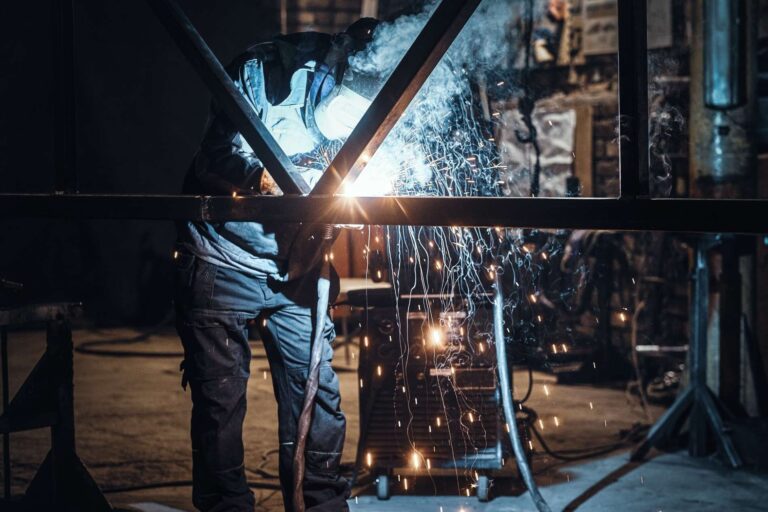
The Real Benefits of Steel Work for Construction Projects in Singapore
Every successful construction project relies on high-quality structural materials to guarantee occupant safety, enhance building longevity, and maintain strict delivery schedules. Steel work in Singapore plays a pivotal role across commercial, industrial, and public developments by delivering superior strength, design flexibility, and structural reliability.
From logistics facilities to modern office towers, steel provides a robust structural framework. It enables developers to implement expansive, open layouts while substantially shortening construction schedules. As building regulations and urban density requirements evolve, steel construction building methods remain the preferred choice for projects demanding performance, durability, and cost efficiency.
This guide outlines the key structural and economic benefits of steel construction and explains why leading builders across Singapore consistently specify steel for modern developments.
Why Steel Plays a Key Role in Modern Construction
A dependable structural framework is essential to long-term stability. Unlike conventional materials, steel offers an exceptional strength-to-weight ratio, allowing structural engineers to design larger open-plan spaces with minimal internal column support.
Highly versatile, steel easily adapts to diverse architectural specifications, whether for industrial warehouses, manufacturing plants, corporate offices, or retail complexes.
Key Benefits of Steel in Construction Projects
1. Accelerated Construction Timelines
Time management is critical to project profitability. Because steel components are prefabricated off-site to exact specifications, they arrive ready for immediate erection, drastically reducing on-site material handling and preparation.
Rapid assembly mitigates weather-related disruptions and gives project managers greater predictability over the critical path schedule.
Timeline Advantages of Steel Construction Buildings:
- Shortens total project delivery schedules: Off-site fabrication allows site preparation and component manufacturing to occur simultaneously.
- Minimises labour-intensive on-site fabrication: Pre-engineered parts arrive ready for assembly, reducing manual labour and potential errors on site.
- Enhances project scheduling and sequencing: Precise manufacturing timelines provide accurate delivery schedules for better logistics management.
- Facilitates seamless site assembly: Standardised connections enable swift and reliable erection of the steel construction building frame.
- Reduces risk of unexpected operational delays: Fast-track assembly limits exposure to adverse weather conditions and site downtime.
2. Exceptional Structural Durability & Long-Term Value
Structures must maintain safety and stability throughout their operational lifecycle. Steel delivers outstanding load-bearing capacity and high resistance to structural fatigue, making it the standard choice for heavy-duty commercial and industrial applications.
By maintaining dimensional stability under typical loads, steel eliminates structural movement, preserving building integrity over decades.
3. Design Flexibility for Evolving Requirements
Steel gives architects and engineers the freedom to design long spans, tall structures, and flexible floor plates. This adaptability allows facilities to adjust to changing business operations with minimal structural intervention.
When future extensions are required, new structural modules can be integrated directly into the existing steel framework with minimal operational disruption.
Design Advantages
- Enables wide, column-free interior spaces
- Simplifies future building expansions
- Supports adaptable, open-plan layouts
- Accommodates diverse architectural uses
- Handles complex engineering geometries easily
4. Optimal Support for Large Industrial Facilities
Industrial developments require clear-span floor plates without internal structural obstructions. Steel frames support heavy roof loads over long spans, enabling efficient floor configurations for factories, warehouses, and logistics hubs.
Unobstructed floor space allows businesses to optimise equipment placement, storage rack systems, and material handling workflows.
Common Industrial Applications
- Warehouses and fulfilment centres
- Manufacturing and assembly plants
- Logistics and distribution hubs
- Aviation hangars
- Maintenance workshops and storage facilities
5. Precision Engineering & Quality Control
Steel members are fabricated under strict factory quality controls to exact tolerances. Precise manufacturing ensures components fit perfectly on site, virtually eliminating installation errors and elevating overall build quality.
High-precision connections reinforce overall structural rigidity, protecting the building’s integrity over its service life.
6. Reduced Maintenance Overhead
Property owners seek to minimise ongoing maintenance costs. Steel resists shrinking, cracking, and warping under standard environmental conditions, significantly lowering structural repair requirements.
When combined with specialised protective coatings, steel effectively resists corrosion, delivering long-term performance with low maintenance demands.
Maintenance Highlights:
- Substantially fewer structural repairs
- Extended structural service life
- High resistance to operational wear and fatigue
- Consistent long-term building stability
7. Sustainable & Environmentally Responsible Construction
Modern developments prioritise waste reduction and resource efficiency. Steel is 100% recyclable and can be reused repeatedly without degrading structural strength, reducing construction waste sent to landfills.
Factory prefabrication also reduces raw material waste during production, aligning projects with sustainable building standards.
Environmental Benefits:
- Minimises construction site waste
- Promotes circular material recycling
- Reduces consumption of virgin raw materials
- Supports green building certifications
8. Enhanced Site Safety & Workplace Organisation
Safety remains paramount across all jobsites. Receiving pre-cut, pre-drilled steel members minimises hazardous on-site cutting and welding operations, creating a safer work environment.
Streamlined assembly keeps jobsites orderly, enabling logistics teams to manoeuvre equipment and materials safely and efficiently.
Safety Highlights:
- Cleaner, clutter-free construction environments
- Streamlined material handling and staging
- Reduced hot work and on-site modification
- Organised and predictable installation workflows
9. Proven Resilience in Singapore’s Climate
Singapore’s high humidity and heavy rainfall demand climate-resilient building materials. Engineered protective coatings and anti-corrosion treatments ensure steel structures remain durable and stable despite tropical weather conditions.
Routine inspections and standard maintenance programmes preserve steel structures, ensuring sustained structural safety over decades.
10. Seamless Accommodation for Future Expansion
Business requirements often evolve as organisations expand. Steel structures facilitate easier building expansion than many conventional construction methods. Consequently, property owners can increase floor space without needing a complete rebuild.
Incorporating flexible structural systems during the initial design phase allows seamless additions in the future. This approach saves time while protecting the original capital investment.
Expansion Benefits:
- Easier building extensions: Simplifies structural modifications and additions.
- Flexible future planning: Enables long-term adaptability as operational needs change.
- Minimised disruption: Reduces operational downtime during ongoing upgrades.
- Optimised asset usage: Maximises the lifespan and utility of existing structures.
11. Cost Efficiency Throughout the Building Life Cycle
Total construction costs extend well beyond the initial build phase. Long-term maintenance, durability, and operational performance all significantly impact overall return on investment. Steel provides exceptional value by combining a long service life with streamlined construction methods.
Furthermore, shorter construction programmes minimise project delays and site overheads. Facilities become operational sooner, allowing owners to commence operations earlier and accelerate their return on investment.
Why Steel Continues to Shape Modern Buildings
Demand for steel construction building projects continues to expand, driven by steel’s exceptional strength, design flexibility, and long-term economic value. Whether applied to industrial facilities, commercial developments, or public infrastructure, steel ensures reliable performance from initial design through to project completion.
Consequently, steel remains one of the most viable and efficient structural solutions for modern construction developments in Singapore.
Conclusion
Steel continues to shape modern construction by offering strength, flexibility and long-term value. It enables builders to complete projects efficiently while creating safe, durable structures across a wide range of industries. Steel work in Singapore remains a trusted solution, with experienced specialists such as Leakeong supporting faster construction, adaptable designs and sustainable building practices.
Whether the project involves a warehouse, factory, commercial building or public facility, steel provides dependable performance throughout its lifespan. Choosing steel means investing in a construction solution that meets today’s operational needs while supporting future growth.
Frequently Asked Questions
Steel offers an exceptional strength-to-weight ratio and long-term durability. It enables clear-span layouts, accelerates project completion, and provides reliable safety across industrial, commercial, and institutional facilities.
When treated with suitable anti-corrosion protective coatings and inspected regularly, steel performs reliably against Singapore’s high humidity and rainfall, maintaining structural integrity over long periods.
Yes. Steel is 100% recyclable without strength loss. Advanced factory prefabrication also minimises scrap waste, supporting sustainable construction practices.
Steel is ideal for warehouses, factories, office buildings, educational institutions, sports complexes, retail centres, and public infrastructure.
Prefabricated components arrive on site ready for immediate assembly, minimising on-site cutting, welding, and material preparation. This speeds up site installation and helps maintain strict project deadlines.